EDITORIAL BUYING GUIDE
Hiking Boots: Fit, Grip and All-Day Comfort
The best footwear decision starts with your feet and route. This is an original buying-guide analysis, not a field test or a ranked list of specific models. Illustrations show generic equipment.
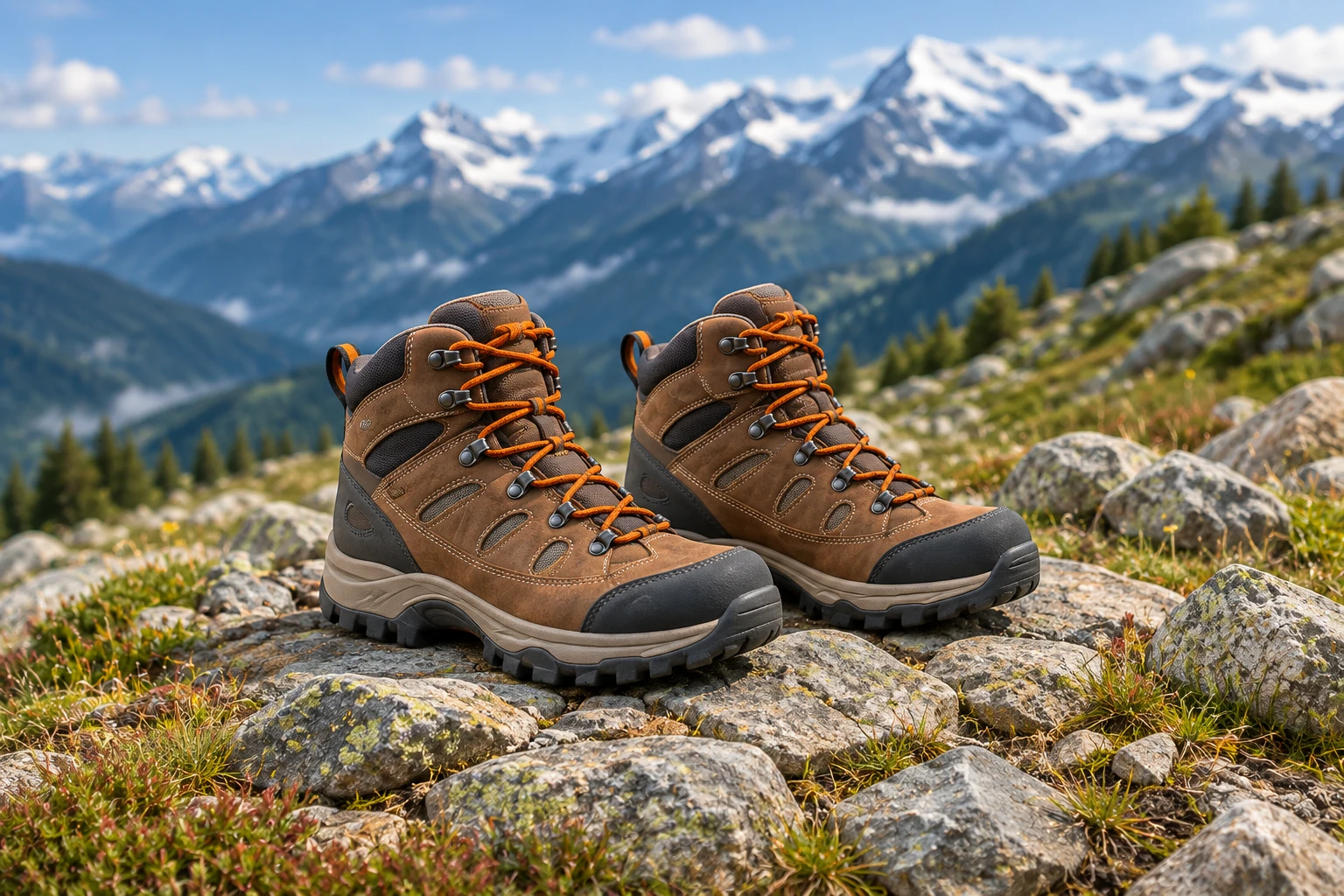
AI-generated illustration of generic equipment. Not a photograph of a tested product.
Try the fit with your hiking socks
Shop with the socks and any insoles you expect to use. Check heel hold, forefoot width and toe clearance, particularly on a downhill ramp. Your toes should not strike the front. Fit both feet and pay attention to pressure over the instep. A boot that causes pain in the shop is a poor candidate for a long walk.
Choose support for the route
Stiffer soles can feel stable on rough ground but may be less flexible on smooth paths. Lighter shoes can be comfortable for some walkers, while others prefer a boot’s structure. A taller collar does not guarantee injury prevention. Personal comfort, conditioning, load and terrain all influence the choice.
Balance waterproofing and drying
A waterproof membrane can help in wet grass and shallow puddles, but water can still enter over the collar. Breathability and drying time vary with construction and conditions. In hot or repeatedly submerged environments, an alternative construction may be more practical. Consider the entire trip rather than one weather feature.
Inspect grip and maintain the footwear
Lug shape, rubber and surface conditions interact. No outsole can promise traction everywhere, especially on wet rock or ice. Clean away mud, dry footwear without direct high heat and follow the maker’s care guidance. Test new footwear on short local walks before a longer route.
Pros to look for
- A well-fitted boot can feel secure under a pack.
- Protective uppers help keep trail debris away.
- Appropriate soles can suit rough or rocky paths.
Tradeoffs to consider
- Heavy footwear can feel tiring on easy trails.
- Membranes can take longer to dry once soaked.
- Fit and grip cannot be verified from photographs.
Who this guide suits
Hikers comparing footwear for day walks and weekend routes who can try multiple fits before buying.
Our conclusion
Choose fit first and match construction to the route. Confirm return terms, test on short walks and treat traction claims as context dependent rather than universal.
Build the rest of your kit
Consider the whole load: shelter, carrying system and footwear affect one another. These related guides explain the other parts of a weekend setup.
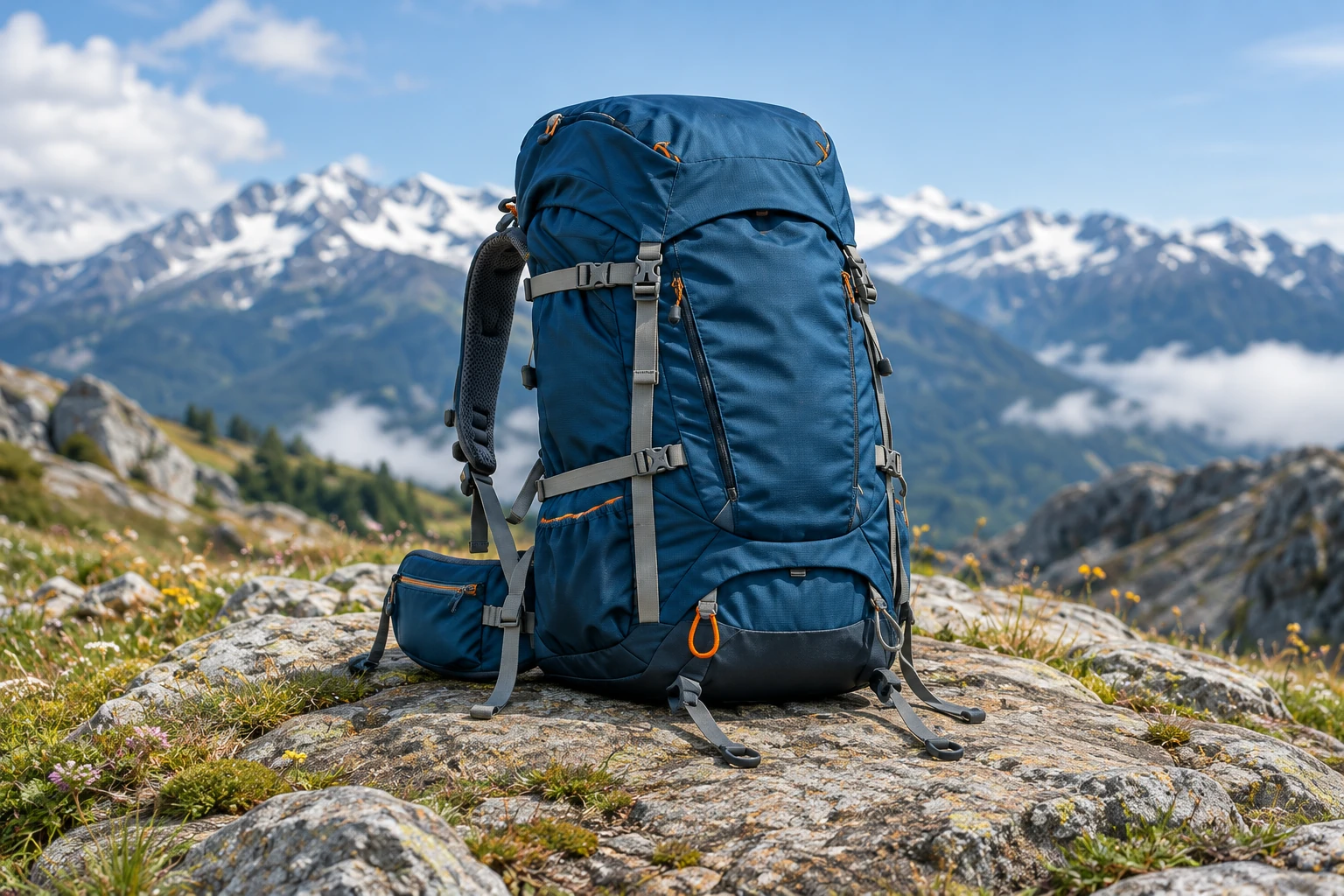
Backpack Review Guide: Finding Your Trail Fit
A practical look at capacity, carrying comfort and organization for weekend hiking and camping.
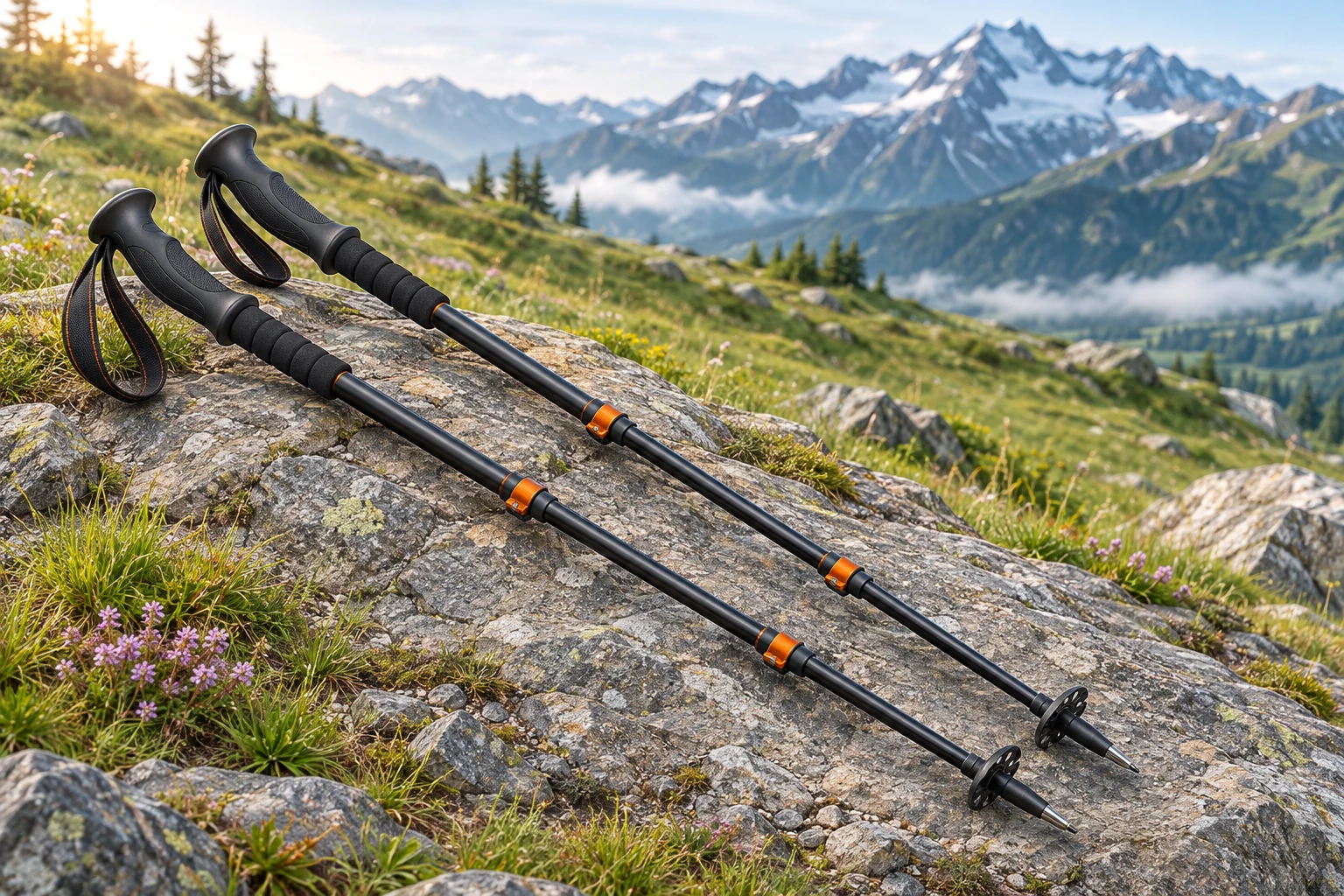
Trekking Poles: Locks, Length and Trail Handling
Find a practical balance of adjustability, packability and comfortable grip for your walking style.
How we approach reviews
Published by xiaoheilong studio. These guides are research-oriented editorial explanations of equipment design, not laboratory or field tests. We do not assign performance scores without test evidence. Check the manufacturer’s current specifications and instructions for any model you are considering. No prices, discounts or product availability are asserted.
Questions or corrections? yoyohappy@cc.com.