EDITORIAL BUYING GUIDE
Trekking Poles: Locks, Length and Trail Handling
Trekking poles differ in how they adjust, collapse and feel in the hand. This buying guide focuses on useful design questions rather than claimed performance gains. The pictured equipment is a generic illustration.
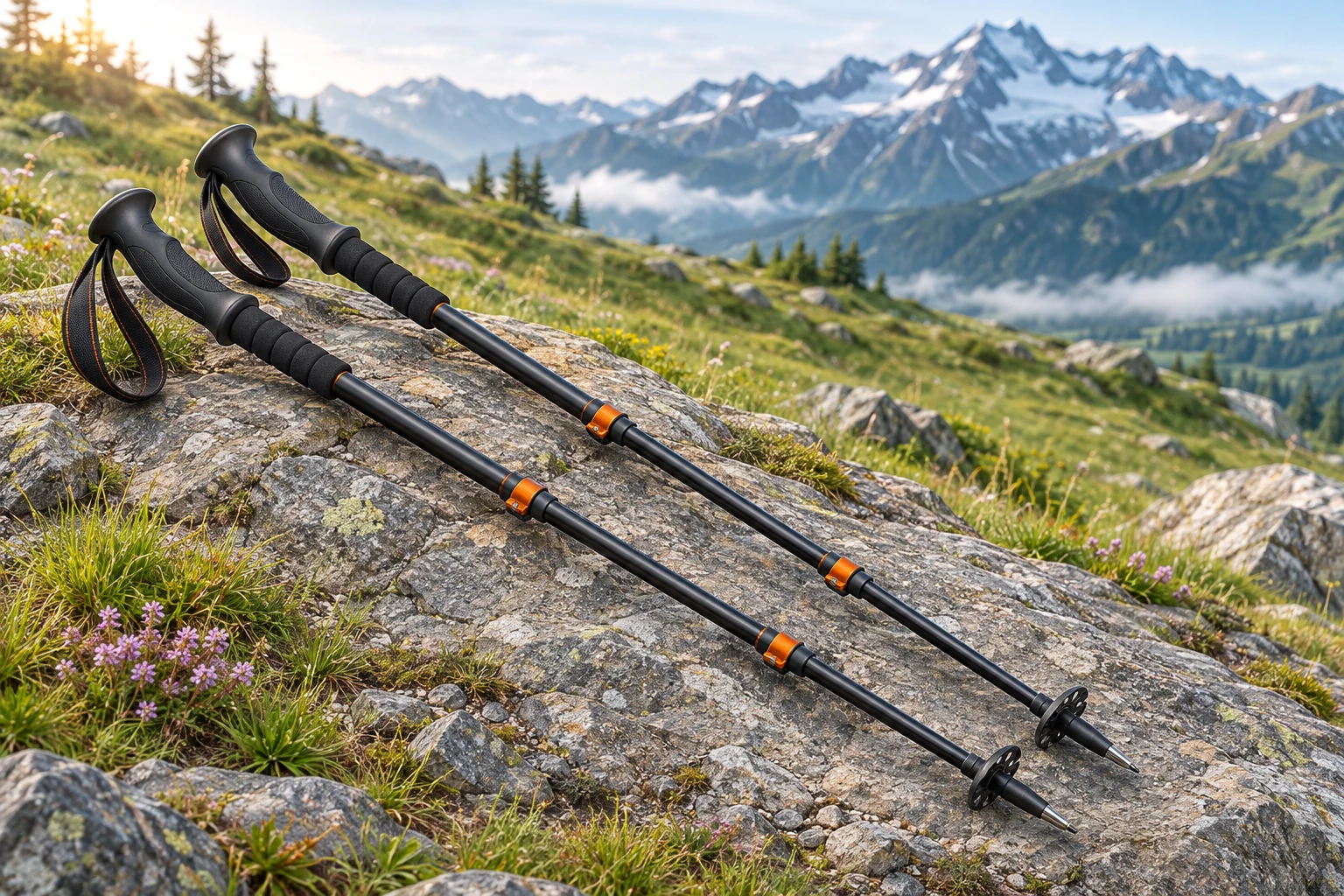
AI-generated illustration of generic equipment. Not a photograph of a tested product.
Choose a design you can adjust easily
Telescoping poles offer variable length, while folding designs can pack down differently. Test the adjustment mechanism with the gloves you normally wear. A pole that is awkward to set up can become an inconvenience on a route with frequent transitions. Check the manufacturer’s length range rather than assuming one size suits everyone.
Inspect the locking mechanism
External lever locks and twist-style systems have different maintenance and handling requirements. Look for clear instructions and replaceable parts. Confirm that the pole is assembled and locked according to those instructions before putting weight through it. Avoid extending sections past their marked limits.
Compare grip and packed dimensions
Grip shape, texture and strap adjustment are personal preferences. Try several designs with relaxed hands rather than squeezing tightly. Compare collapsed length against your bag’s attachment points. A lighter specification is useful only if the product remains appropriate for your route and expected handling.
Think about terrain and storage
Tips and baskets should suit the surface and local trail guidance. Keep poles secured when carrying them on the pack so they do not swing into other people or vegetation. Clean and dry the sections after dirty or wet trips. Check transport rules before carrying poles on aircraft or other services.
Pros to look for
- Adjustable length can suit varied terrain.
- Compact designs can be easier to stow.
- Replaceable tips and baskets can extend useful life.
Tradeoffs to consider
- Locks need inspection and maintenance.
- Straps and grips may not suit every hand.
- Poles occupy the hands and need storage during scrambles.
Who this guide suits
Walkers who want adjustable poles that fit their pack and routine.
Our conclusion
Prioritize straightforward locks, comfortable handling and a suitable length range. Learn the manufacturer’s setup instructions and practise on familiar ground.
Build the rest of your kit
Consider the whole load: shelter, carrying system and footwear affect one another. These related guides explain the other parts of a weekend setup.
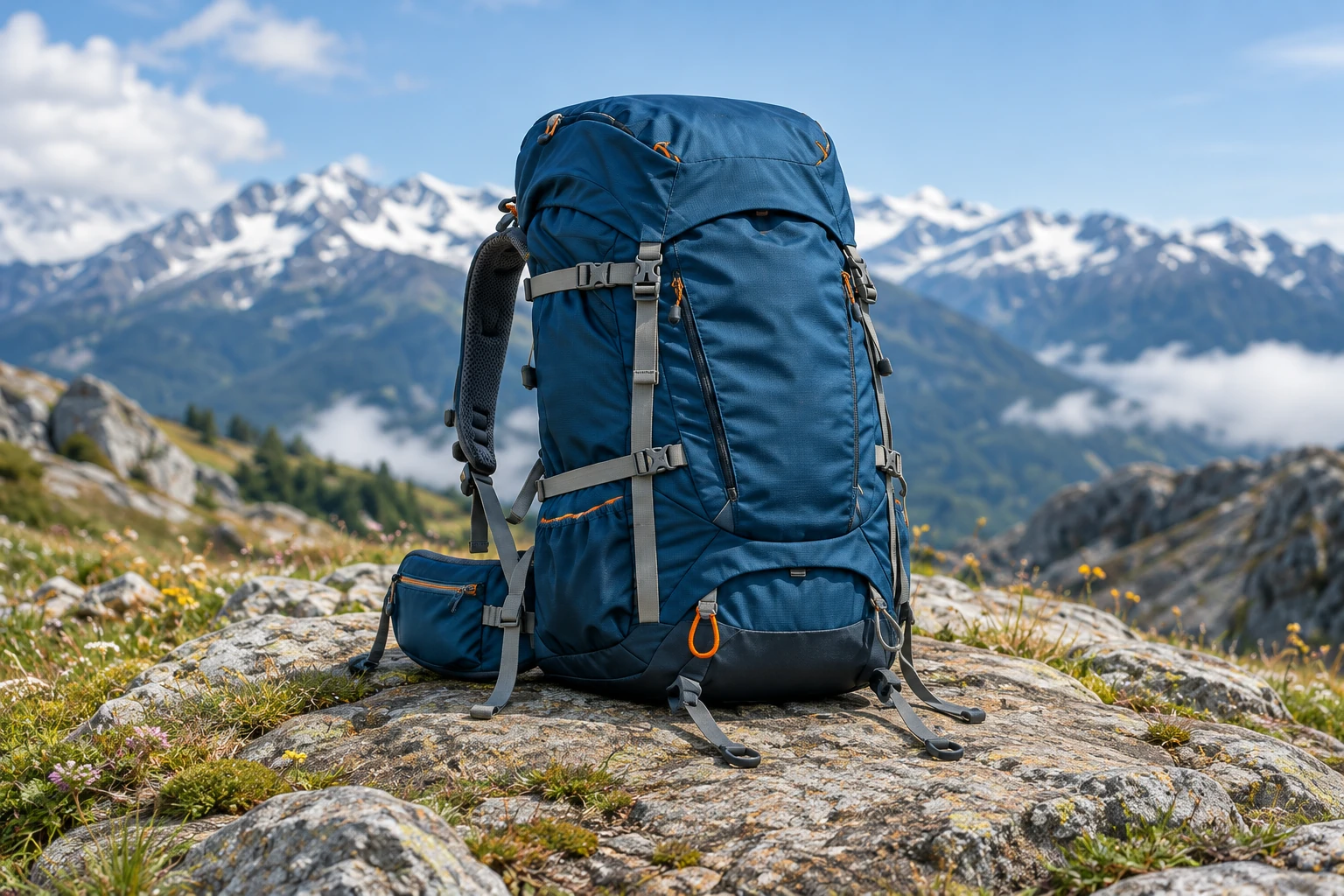
Backpack Review Guide: Finding Your Trail Fit
A practical look at capacity, carrying comfort and organization for weekend hiking and camping.
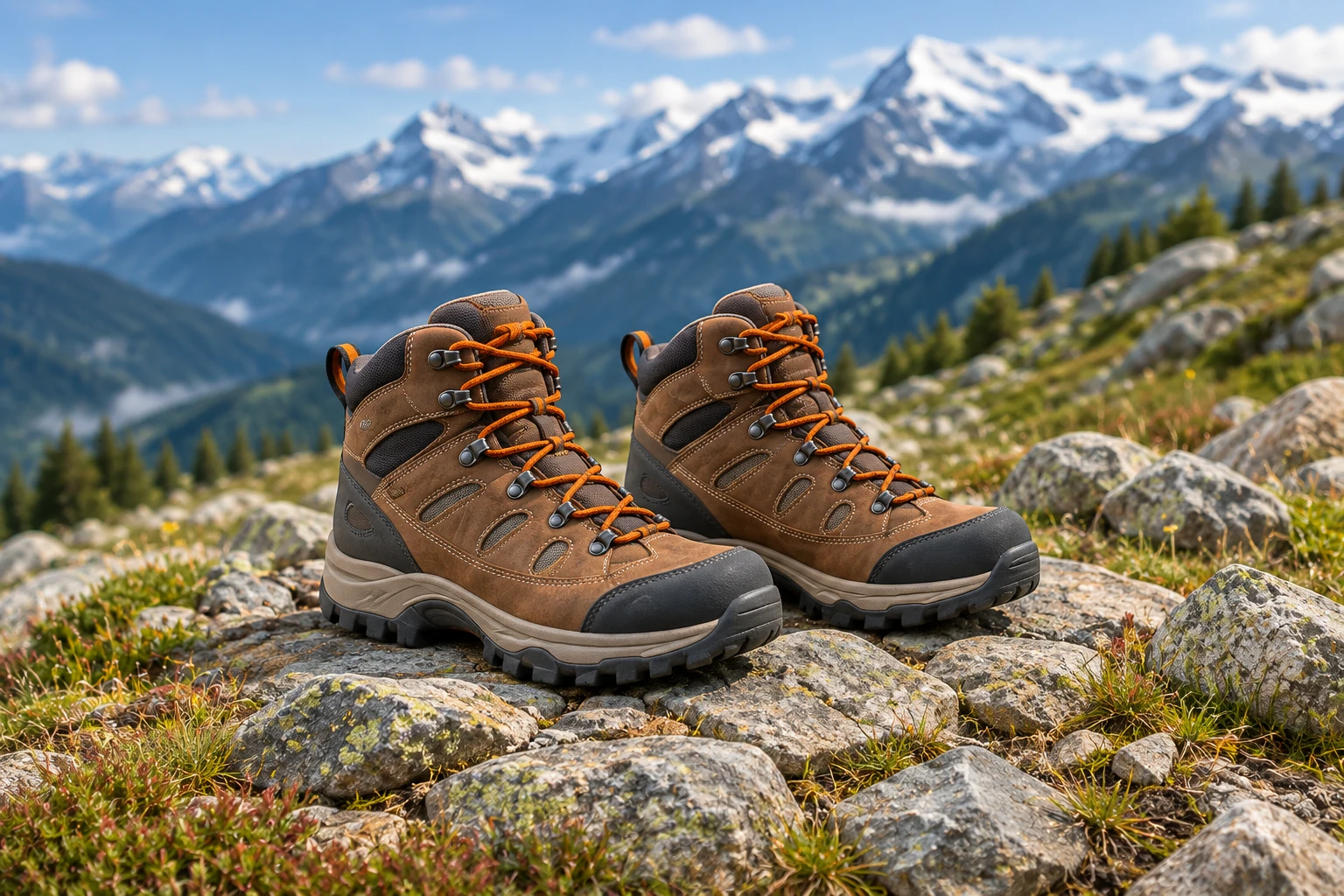
Hiking Boots: Fit, Grip and All-Day Comfort
A straightforward guide to boot fit, sole stiffness and waterproofing for varied trail conditions.
How we approach reviews
Published by xiaoheilong studio. These guides are research-oriented editorial explanations of equipment design, not laboratory or field tests. We do not assign performance scores without test evidence. Check the manufacturer’s current specifications and instructions for any model you are considering. No prices, discounts or product availability are asserted.
Questions or corrections? yoyohappy@cc.com.