EDITORIAL BUYING GUIDE
Headlamps: Usable Light, Controls and Power
A headlamp specification contains more than a maximum brightness number. This editorial guide highlights the practical details behind lighting choices. It does not claim measured runtime or tested output for the illustration.
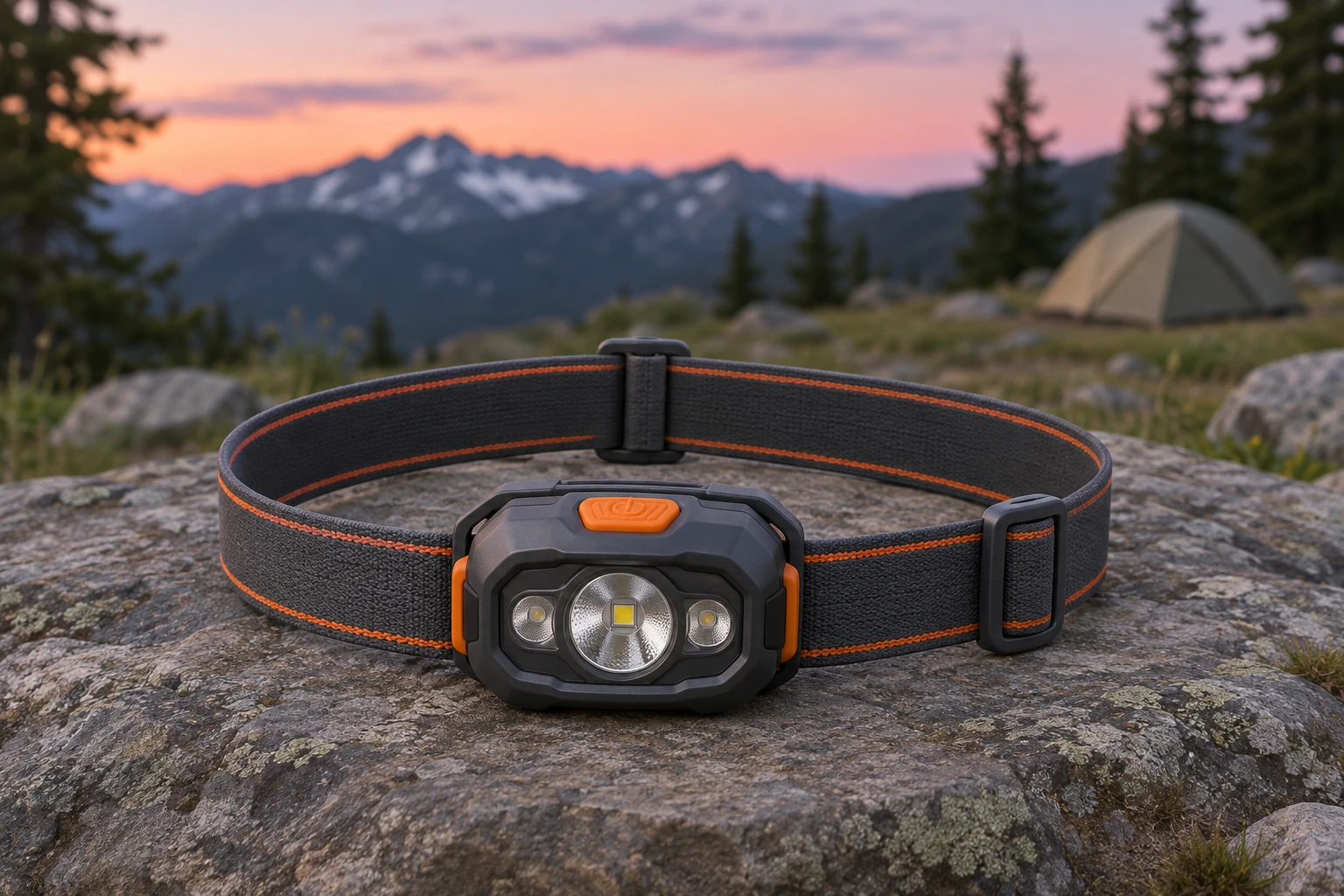
AI-generated illustration of generic equipment. Not a photograph of a tested product.
Look beyond maximum brightness
Beam shape affects where light falls. A wide beam can suit close tasks, while a more focused pattern serves a different role. Maximum brightness may be available for only part of a battery cycle. Look for output and runtime information that explains the mode and measurement conditions.
Practise using the controls
Try turning the lamp on, changing modes and locking it for transport. Controls should be understandable in the dark and with the gloves you expect to wear. Check whether the lamp remembers a previous setting. A straightforward interface is often more useful than a long list of modes you cannot find easily.
Choose a power arrangement
Rechargeable and replaceable-battery designs each require planning. Confirm charging connections, compatible cells and any restrictions in the manufacturer’s instructions. Plan for the route duration and a suitable backup arrangement. Do not assume that a runtime figure at the lowest setting describes the brightness you will actually use.
Check fit and environmental limits
Adjust the strap and move your head to see whether the lamp slips or bounces. Read the water-resistance rating and understand its limits; a weather-resistant lamp is not necessarily intended for immersion. Keep battery contacts and charging covers clean and inspect the light before leaving home.
Pros to look for
- Hands-free lighting is convenient for camp tasks.
- A lock mode can help prevent accidental activation.
- An adjustable strap can improve stability.
Tradeoffs to consider
- Peak output does not describe sustained brightness.
- More modes can make controls harder to learn.
- Power and weather limits require planning.
Who this guide suits
Campers and walkers comparing lighting for routine overnight use.
Our conclusion
Choose understandable controls, a comfortable fit and a power plan suited to the trip. Evaluate sustained usable light rather than one headline number.
Build the rest of your kit
Consider the whole load: shelter, carrying system and footwear affect one another. These related guides explain the other parts of a weekend setup.
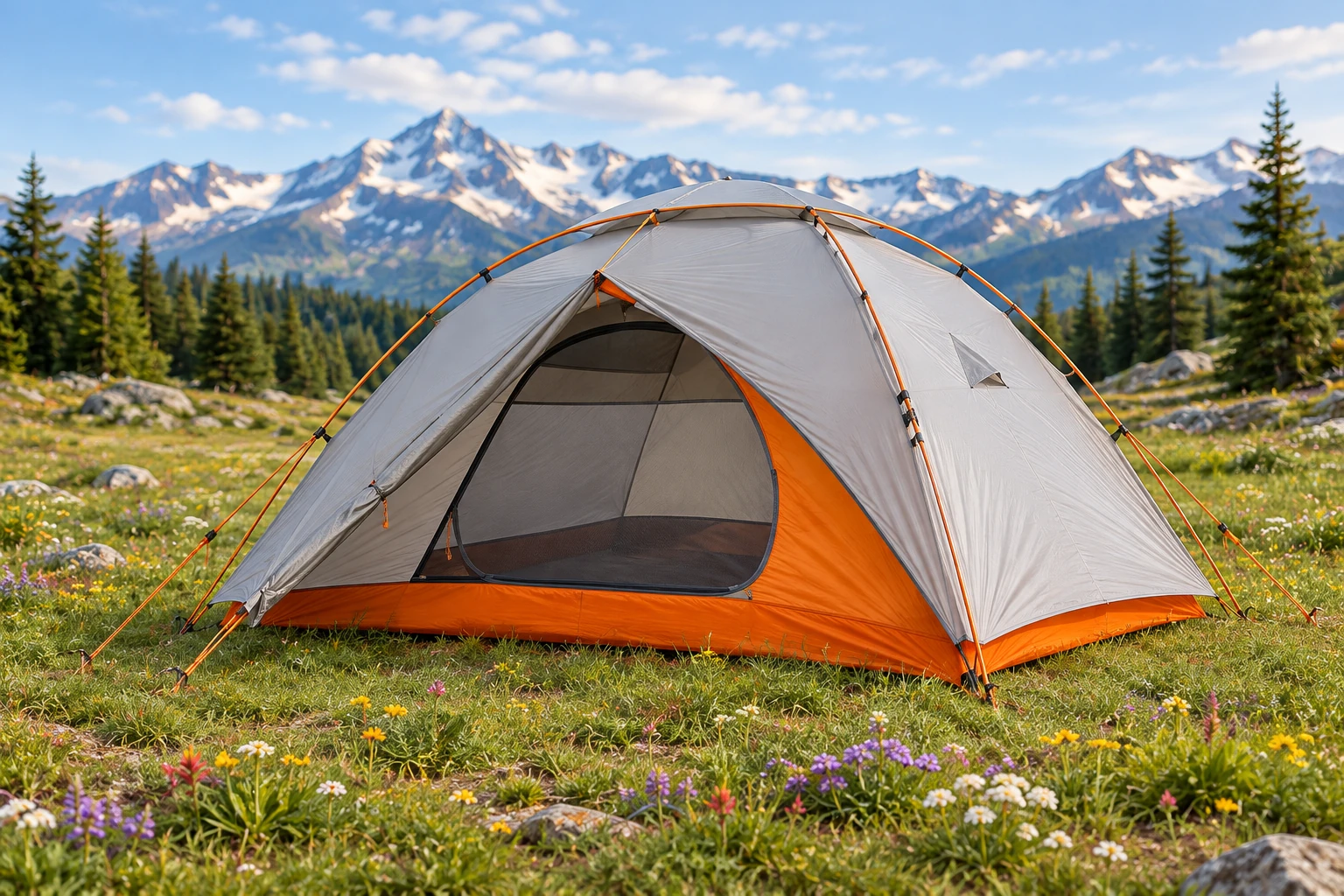
Two-Person Tents: Space, Weight and Weather
How to assess usable space, ventilation and weather protection before choosing a backpacking shelter.
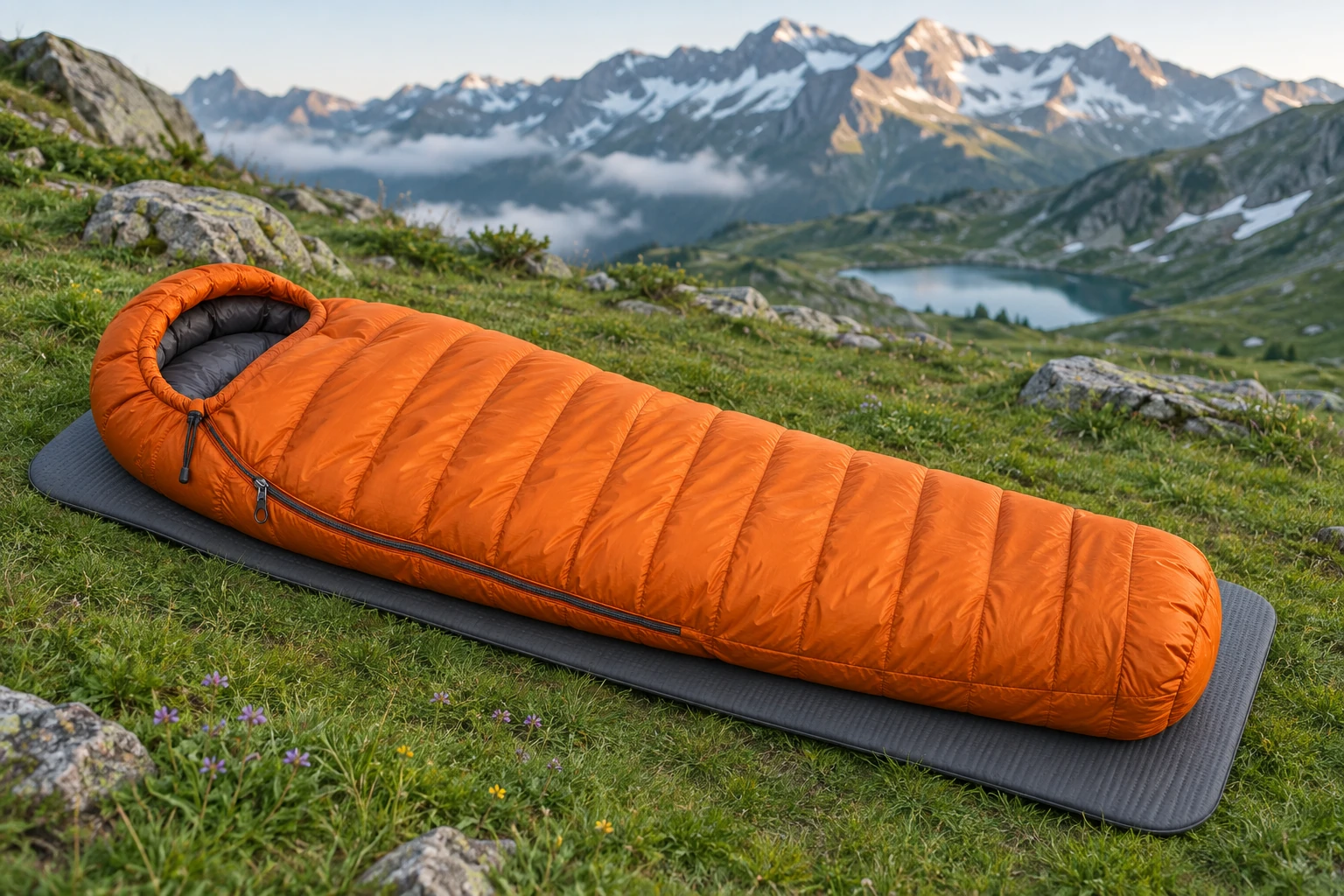
Sleeping Bags: Warmth Without the Guesswork
Compare insulation, fit and packed size to build a more comfortable overnight sleep system.
How we approach reviews
Published by xiaoheilong studio. These guides are research-oriented editorial explanations of equipment design, not laboratory or field tests. We do not assign performance scores without test evidence. Check the manufacturer’s current specifications and instructions for any model you are considering. No prices, discounts or product availability are asserted.
Questions or corrections? yoyohappy@cc.com.